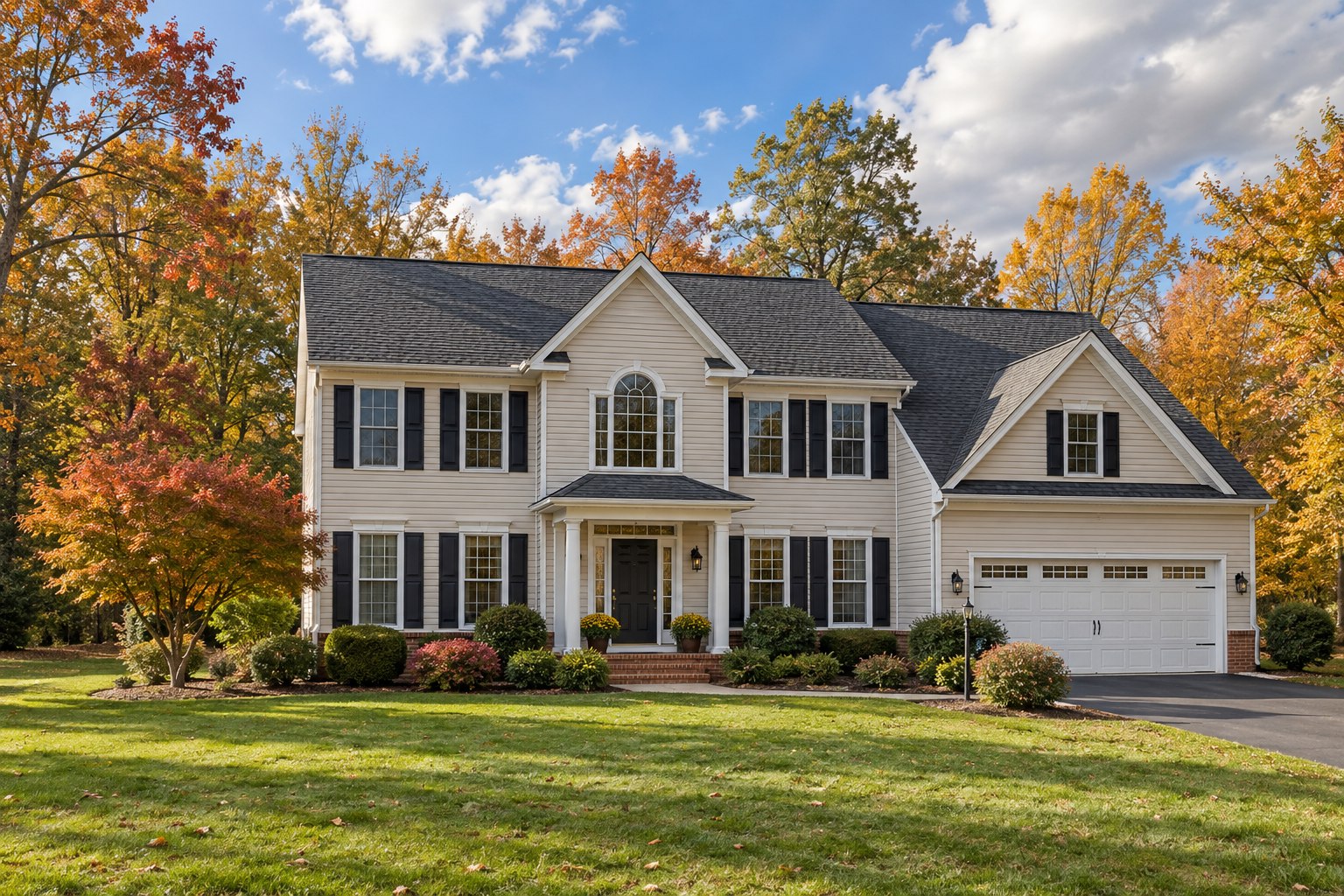

When buying a home in Southern Maryland, begin the insurance conversation while you still have time to ask questions about the actual property. Compare coverage, exclusions, deductibles and lender requirements alongside the premium. The Maryland Insurance Administration's homeowners insurance resources explain the state consumer resources available to you. My recommendation is to make insurance part of your property review, with an insurance professional answering coverage questions and your lender confirming its requirements. A familiar home style or an appealing online quote should not substitute for a reviewed proposal tied to the address.
Gather the information for the actual house
Give the insurance professional the property address and available details about the home. Ask what information it needs about the roof, systems, construction, additions and intended use. Identify which details come from documents and which still need confirmation. Avoid filling an application with guesses simply to produce a quick price.
For a property in Leonardtown, California, Prince Frederick, La Plata or elsewhere in Southern Maryland, use the same address-specific approach. Tell the professional if you are considering a different occupancy arrangement or an unusual property feature. Ask which questions require further investigation and who can supply the requested records.
My recommendation is to keep a property-information sheet with a source beside each answer. If a seller supplies a receipt, save the receipt rather than reducing it to a remembered installation year. If your inspector identifies a question, send the relevant information for review. This creates a useful starting file without asking your agent to determine insurance eligibility or converting a listing description into a verified application statement.
Read the proposal beyond the annual premium
The Maryland Insurance Administration's declarations-page explanation describes how coverage amounts, deductibles and other policy information appear in that summary. Ask the insurance professional to walk through the proposal and explain the actual policy forms and endorsements behind it. Keep the proposed effective date visible.
Request a comparison that identifies the dwelling coverage, other structures, personal property, liability and any additional coverages being offered. Ask which limits were selected, how they were determined and whether the insurer needs more property information. Do not assume that similar premiums mean equivalent coverage or that a summary contains every term.
My recommendation is to annotate each proposal with questions you can answer after the conversation: what is included, what is excluded, what limit applies and what information remains outstanding? Save the responses with the corresponding quote version. A useful comparison lets you explain why you prefer a proposal rather than simply identifying the lowest number on the first page. Return to unresolved questions before authorizing the policy.
Discuss replacement cost and valuation terms
The Maryland homeowners insurance consumer guide explains replacement-cost and actual-cash-value concepts. Ask how the proposed policy treats the dwelling, roof and personal property, including any conditions or endorsements that change the treatment. Have the professional explain the terms using the actual proposal.
Keep the insurance valuation conversation separate from your purchase-price negotiation. Ask the provider what assumptions it uses to estimate the coverage amount and how you can correct inaccurate property details. If two proposals use different amounts, request an explanation rather than adjusting them yourself to make the premiums look comparable.
My recommendation is to ask for a plain-language example of how the relevant terms would operate, with the professional identifying the assumptions and limitations. Keep it as an educational explanation, not a promise about a future claim. Ask which policy documents you should retain and where the applicable valuation wording appears. This gives you a clearer basis for choosing coverage without expecting a real estate agent to interpret an insurance contract.
Understand deductibles before choosing a quote
The Maryland Insurance Administration's declarations guidance discusses deductibles, including the distinction between dollar amounts and percentage-based deductibles. Ask whether the proposed policy has different deductibles for different covered losses. Have the professional show how any percentage is calculated for the proposed coverage.
Record the answer in dollars where the professional can explain a specific calculation, and identify what could change. Ask about any wind, hurricane or other special deductible appearing in your proposal. Avoid assuming that the general deductible on the first page applies to every situation described in the policy.
My recommendation is to compare the potential out-of-pocket responsibility alongside the premium and your available reserve. If changing a deductible produces a different quote, ask exactly which terms changed and request the revised version. This is a budget decision informed by the policy, not a prediction of whether you will have a claim. Keep the selected deductible and its explanation with your ownership records so you can find it when needed.
Separate flood questions from other water damage
The Maryland Insurance Administration's flood-versus-water-damage guidance explains that standard homeowners coverage does not cover flood damage and distinguishes it from other water losses. Ask an insurance professional about separate flood coverage and the actual protections or exclusions for other water-related scenarios in the proposal.
For a home in Calvert, St. Mary's or Charles County, ask about the address rather than relying on distance from a waterfront or a neighborhood impression. Request the lender's flood-insurance determination for the loan and discuss your coverage questions separately with the insurance professional. Do not treat the absence of a lender requirement as a complete assessment of your insurance preferences.
My recommendation is to use specific questions: how would the proposal address water entering from outside, a pipe problem or a sewer or drain backup? Let the professional explain the applicable terms, available endorsements and exclusions. Write down the answers without labeling all water damage the same way. If additional coverage is being considered, ask about its effective date and requirements before making it part of the closing plan.
Review roofs, inspections and requested follow-up
Ask the insurer what review it plans for the property and whether it needs roof or system documentation before coverage can be confirmed. Share accurate available records through its requested channel. If it identifies a condition to address, ask for the written requirement, the accepted documentation and the person who can confirm completion.
The Maryland Insurance Administration's homeowners resources include consumer guidance and assistance contacts. Use those resources when you need help understanding an insurance question. A general home inspection and an insurer's coverage review serve different purposes; ask each professional to define its work rather than assuming one report resolves the other's questions.
My recommendation is to add insurance follow-up to the same property-review calendar as your other transaction tasks. Tell your agent and lender promptly if a requested condition could affect your plan. Have the responsible professionals explain the available options before agreeing to a repair or relying on a policy that has not been confirmed. Keep the written response so the status is clear to you and the team.
Coordinate the policy with your lender and settlement team
Ask the lender what coverage evidence it needs, which mortgagee information must appear and when it needs the documentation. Give those requirements to the insurance professional and confirm the proposed effective date. Ask the settlement company which payments it expects to handle and which require your separate action.
The CFPB's Loan Estimate explanation identifies homeowners insurance in the mortgage estimate and discusses projected payments and closing costs. Ask your lender to update the estimate when the actual insurance information becomes available. Have it explain any escrow arrangement instead of assuming that every quote is paid the same way.
My recommendation is to reconcile the insurance quote, lender figures and settlement instructions before closing. Identify the company, amount, effective date and document version in the discussion. If the closing date changes, ask the insurance professional and lender what needs revision. Confirm the resulting coverage arrangement with the responsible parties rather than treating a prior target date as sufficient evidence that the policy will begin when needed.
Make comparisons using matching information
Send accurate, consistent property information when requesting proposals. Ask each provider to identify the coverage limits, deductibles, endorsements, exclusions and remaining conditions. If a provider recommends a different coverage amount, keep its explanation rather than forcing the number to match another quote without review.
The Maryland homeowners consumer guide provides background for comparing policies and understanding coverage. Use it to prepare questions, then have the professional explain the actual proposal. Ask how long the quote remains usable and what further steps are required to put coverage in force.
My recommendation is to compare confirmed information in a simple worksheet and leave uncertain entries visibly open. If one proposal looks much less expensive, investigate the difference before celebrating the price. It may involve different terms or assumptions that need explanation. You are choosing an arrangement for the home you plan to own, so the useful outcome is an informed choice and a complete follow-up list, not a collection of premiums without context.
Keep an ownership file you can revisit
After selecting coverage, retain the policy, declarations, endorsements, payment records and the insurance professional's contact information. Ask how to report a change in the property's use or other information the insurer considers relevant. If you later receive a revised document, save it with its date and request an explanation of changes you do not understand.
Use my Southern Maryland buyer guide and St. Mary's County home search to organize the wider purchase process. If you are selling as well, the guide to buying and selling at the same time can help you identify the dates and dependencies to discuss with both transaction teams.
Bring me the address and the questions that remain open. I can help coordinate the transaction calendar and connect the insurance conversation with your lender and settlement team. My recommendation is to complete the purchase with a policy you have reviewed, the required confirmations in hand and a file that remains useful after moving day. Your insurance professional should answer coverage and claim questions using the actual policy terms.